
Sports Stadium Ticketing Software: Features, Benefits & How It Works
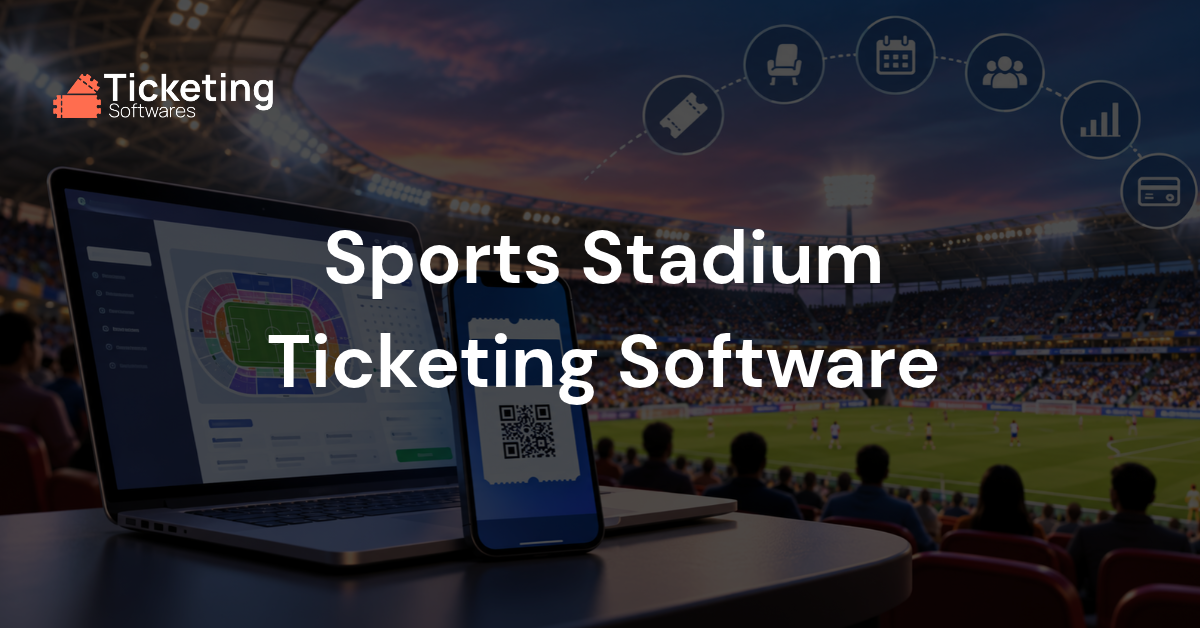
A stadium does not sell tickets the way a small venue does. It sells thousands of seats across dozens of home dates, to season-ticket holders, to one-off buyers, to corporate hospitality and to visiting fans, and every one of those groups expects something different at the gate. A spreadsheet and a payment link will not carry that.
Sports stadium ticketing software is the system a club or venue uses to model its seating, sell individual and season tickets, set prices, deliver tickets to fans and scan them at the gates. It connects the box office, the website and the turnstile to one source of truth.
Quick answer: Sports stadium ticketing software manages the full life of a ticket: mapping seats and sections, selling single matches and season passes, setting pricing rules, delivering mobile tickets and checking fans in at the gates. Its benefits are accurate seat inventory, controlled pricing, faster entry and clear sales reporting across every match.
What features does stadium ticketing software need?
Stadium ticketing software needs a detailed seat map, flexible ticket types, pricing controls, mobile ticket delivery, gate scanning and reporting. These cover everything from listing a match to counting fans through the turnstile.
- Seat and section mapping for stands, tiers, blocks and standing areas.
- Ticket types for adults, juniors, away fans, hospitality and complimentary allocations.
- Season passes and packages that cover multiple home dates with one purchase.
- Pricing rules by section, match category or sales phase.
- Fan check-in with QR scanning at each gate.
- Reporting on sales, attendance and revenue by match.
Which of these you use first depends on your calendar. A club with a fixed home fixture list will lean on season packages. A venue hosting varied events will lean on flexible pricing and seat maps.
How does sports stadium ticketing software work step by step?
Sports stadium ticketing software works in a fixed sequence, from building the venue map to settling payouts after the match. Knowing the order helps you see where problems start.
- Build the venue map with sections, rows and seat counts.
- Create the match or event and assign ticket types and prices.
- Open sales, usually with a presale for season holders or members.
- Deliver tickets to fans as mobile tickets with QR codes.
- Scan tickets at the gates and watch live entry counts.
- Reconcile sales and payouts once the match is over.
Step one is the one most clubs rush. An inaccurate seat map causes complaints for years, so verify sections, accessible seating and any blocked seats before the first sale.
Is dynamic pricing a good idea for sports tickets?
Dynamic pricing can raise revenue for high-demand matches, but it carries a fan-relations cost that every club has to weigh. Prices that move with demand reward a good fixture schedule, and they can also anger loyal supporters who feel penalized for buying late or early.
A cautious approach is to apply pricing by match category, with fixed bands announced in advance, before moving to anything that changes by the hour. Season holders in particular should see a clear, stable price. If a vendor sells dynamic pricing as a magic lever, ask to see how the rules are configured and how you can cap them.
How do fans get in at the gate?
Fans get in by presenting a mobile ticket with a QR code, which gate staff scan to confirm the ticket is valid for that match, section and gate. The system marks each ticket as used, so a copy cannot be scanned a second time.
Queue time at the gate is where ticketing is judged by the public. Test scanning devices at the actual entrances before match day, with realistic crowd density, and keep a manual lookup process for fans whose phone has died. The features page lists the QR check-in tools included with Ticketing Softwares.
What are the main benefits for clubs and venues?
The main benefits are accurate inventory, control over pricing, faster entry, and reporting that covers every match. Together they cut the manual reconciliation that follows large events.
There is also an ownership benefit. A club that sells through its own white label platform keeps the fan data and the brand experience, instead of handing both to a third-party marketplace. That matters for season-ticket renewals, merchandise offers and sponsor reporting. The sports and stadiums page explains how Ticketing Softwares applies this to sports venues, and our post on why sports organizers move to white label sets out the case in more detail.
How should you choose between a marketplace and your own platform?
Choose a marketplace if you need instant reach and sell few events, and choose your own platform if you have a regular fixture list and want to keep fees, data and brand. Stadium-scale volumes usually favor ownership, since per-ticket fees grow with every sale.
Whatever you choose, put the payout schedule, refund rules and data export rights in writing before you commit. Those three clauses matter more than any feature list. For pricing details, the pricing page explains the one-time license model.
What should a club prepare before launching season sales?
Before launching season sales, a club should finalize the seat map, agree the price bands, decide the renewal rules for existing holders, and test the full purchase and scanning flow. Skipping any of these causes problems that are public and hard to undo.
- Verify every section, row and accessible space against the real stadium plan.
- Publish the price bands and the dates they apply to.
- Give existing season holders a first-access window to renew their seats.
- Run a test purchase, a refund and a scan on the actual gate devices.
Season holders are your most loyal customers and the most sensitive to mistakes. A wrong seat or a failed renewal is remembered much longer than a smooth purchase.
Frequently asked questions
Can stadium ticketing software handle season passes?
Most platforms can sell packages that cover several matches. Confirm how renewals work and how a season pass is scanned at each match, then test it before launch.
Does it work for smaller sports venues and clubs?
Yes. A smaller club may need fewer sections and simpler pricing, but it benefits from the same seat control, mobile tickets and check-in tools.
How are fake or duplicated tickets prevented?
Each ticket carries a unique QR code, and the system marks it as used on the first scan. A second scan of the same code is rejected at the gate.
How long does it take to set up?
Ticketing Softwares states about seven days for launch. A complex stadium map and season packages may take longer to prepare and test.
If you are planning a season launch, book a 1:1 walkthrough and bring your seat plan and fixture list.


Ready to Transform Your Ticketing?
Join thousands of venues and organizers who trust Ticketing Softwares to power their events. Start your free trial today.
Schedule a DemoThank you! Your submission has been received!
Oops! Something went wrong while submitting the form.


